
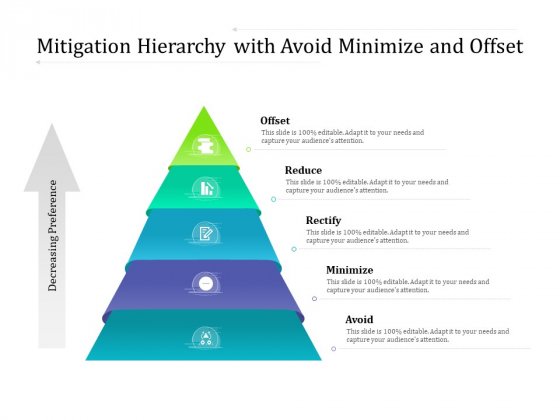
To help focus planning and determine a starting point for carbon mitigation efforts, it is often useful to follow a carbon management hierarchy. Many different examples and variations have been written about in academic literature, and this short summary can be a starting point for developing a model specific to an institution. You may be familiar with the waste reduction hierarchy generally described as: “Reduce, Reuse, Recycle”. A carbon management hierarchy is very similar, and generally outlines broad categories of mitigation strategies that are more favorable than others. This is often started as: “Reduce what you can, Offset what you can’t” and similar phrases. Typically this is applied as:
- Avoiding or reducing emissions through Efficiency & Conservation
- Eliminating emissions through switching to Renewable (zero carbon) sources of energy
- Sequestering or Offsetting any remaining emissions.
Efficiency and Conservation are often low-cost or cost-saving endeavors and so can be placed as your first-choice solutions. Efficiency generally involves technological improvements to equipment and infrastructure. The advantage of efficiency work is that it typically has a very high return on investment and does not require major changes in the behavior of your community (many people may be unaware of the energy efficiency upgrades that occur around them). The drawback is that it typically requires a certain expenditure of up-front capital to be able to capture the cost savings over the lifetime of the project. A Green Revolving Fund (GRF), described in Financing, is a great method for overcoming this challenge.
A great advantage of conservation work is that the projects typically do not include significant capital investments. However, these efforts do require significant behavior change by members of your community, so it is important not to think of them as “no cost”. There will be investment of your staff time in education and outreach (and any related communications expenses) that must be consistently maintained for at least several years (particularly as new students arrive and existing students graduate) before significant shifts in behavior begin to occur.
Shifting to low-carbon sources of of energy typically requires significant advance planning particularly when involving changes to on-campus infrastructure. These types of changes could be timed to coincide with retirements of existing campus energy infrastructure. Additional strategies would include using the accumulated revenues from lower-cost efficiency efforts to finance larger projects as part of a Green Revolving Fund (GRF) or using the sale of Renewable Energy Credits (RECs) from the project for a predetermined time span (before they would be retired to meet any carbon targets) to help offset project costs. Development of renewable energy sources does not need to be confined to the campus. Many options exist for off-site development through Power Purchase Agreements (PPAs) or purchase of RECs – Financing.
Decisions related to interacting with the carbon markets to offset any remaining emissions are detailed later in this chapter including the requirements for purchasing legitimate offsets.

